Human Connection — The Neurobiological Antidote to Addiction
“The opposite of addiction is not mere abstinence. It is human connection.” — Johann Hari
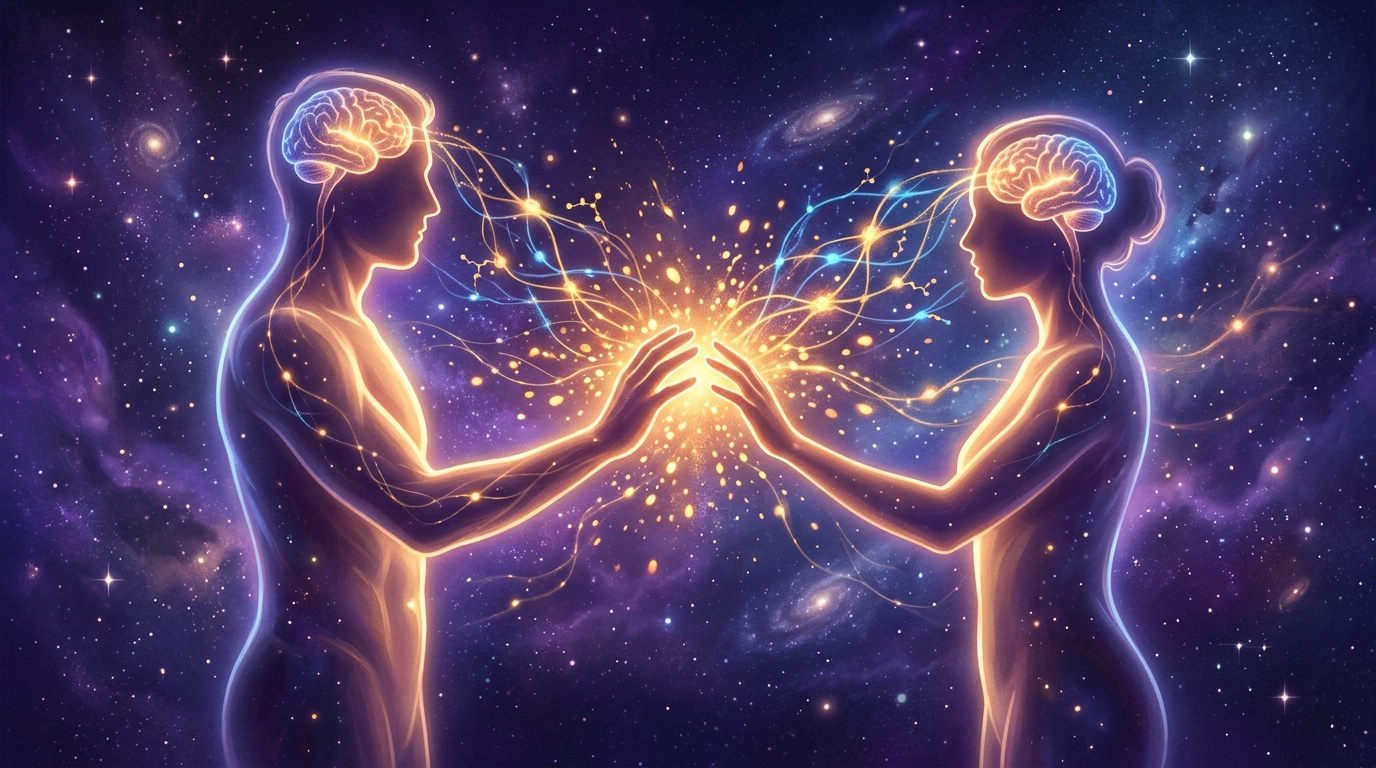
Psychological and Philosophical Perspective
Addiction is not a moral failure or a simple chemical malfunction of the brain; at its core, it is a desperate attempt to solve a fundamental human suffering: the pain of disconnection and trauma. Dr. Gabor Maté famously asserts that the right question is not “Why the addiction?”, but “Why the pain?”.
Humans are symbolic creatures. We find meaning in the stories we tell ourselves, the rituals we preserve, and the tribes we belong to. When these symbolic architectures collapse due to technological isolation or early attachment traumas, the individual is left exposed. The substance becomes a synthetic, predictable, but destructive substitute for the missing authentic connection.
The “Rat Park” Experiment — A Social Revelation
In the 1970s, psychologist Bruce Alexander challenged classical addiction studies, where isolated rats in empty cages chose morphine-laced water until overdose. He built “Rat Park”: a vast space filled with food, toys, and, most importantly, other rats to interact and mate with.
The result was astonishing: although they had free access to the same morphine water, the rats in Rat Park ignored it almost entirely, preferring plain water. Even those who had previously been forced to become addicted in isolation self-detoxified once integrated into the community. The conclusion is clear: environment and social connection dictate vulnerability to addiction.
The Neurobiology of Connection: Oxytocin and Endogenous Opioids
Neurobiologically, authentic human connection acts as a protective chemical shield:
- 1. Oxytocin (The Attachment Hormone):Produced in the hypothalamus, it calms the hyper-reactive amygdala in trauma and addiction states. It modulates dopamine release in the nucleus accumbens, directly tempering cravings and reducing the reinforcing effects of artificial drugs.
- 2. Endogenous Opioids (Beta-Endorphins):Warm social interaction, physical touch, and emotional validation naturally release endorphins. Opiate addiction (such as heroin) is, biologically speaking, an attempt to artificially replicate the chemistry of maternal attachment and tribal safety in their absence.
- 3. Autonomic Co-Regulation:Through mirror neurons, the presence of another calm, regulated, and safe nervous system automatically co-regulates our own autonomic system, restoring homeostasis effortlessly.
The Path to Healing: From Isolation to Community
Physical abstinence is merely the removal of chemicals; true healing requires restoring the **relational architecture**. This involves:
“Being seen, heard, and accepted by another human being is the most powerful biological tranquilizer available to our species.”
Integration into a conscious community (Sangha), somatic attachment therapy, and repairing interpersonal bonds through radical vulnerability are the fundamental steps to rewiring the brain. Healing occurs from person to person, from heart to heart, replacing technological isolation with the organic warmth of the tribe.